Size
10/+ cm
Color
Red
Suitable Zone(s)
Zones 6-10
Bloom Time
Late Summer
Mature Height
12-24"
Sunlight
Full Sun, Partial Shade
Ships As
3 Bulbs
How to Plant
4-6" Deep, 6-8" Apart
SKU:HC-22000-B
Couldn't load pickup availability
Product Description
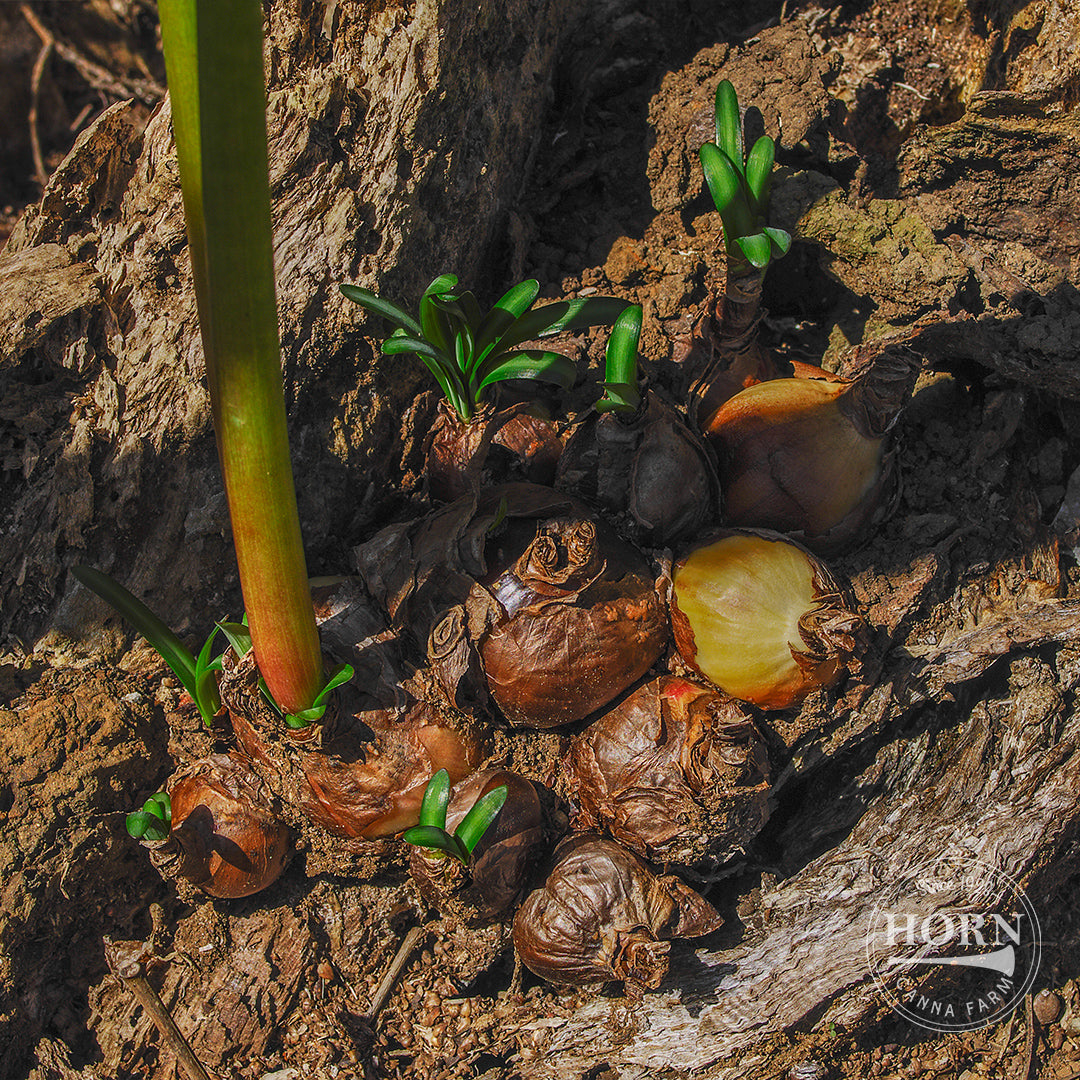
Lycoris radiata, also known as Spider Lily, gets it's name from the unique bloom, resemblining a Spider! This plant stands apart from other plants, growing fiery red blooms in mid to late Summer followed then by the grass-like foliage after the flowers have died back. In warmer climates, the leaves will remain intact through the Winter and will eventually die back in Spring. For best results, grow Lycoris radiata in well-drained but nutrient rich soil, keeping the soil dry in Summer and only watering in Winter. Lycoris works well under trees that loose leaves in the Winter. They require full sun during the Winter months while the foliage is actively growing and partial shade during the hot Summer months when the blooms appear. Not only will the Lycoris Radiata create a stunning showcase in your outdoor space, they also make beautiful additions to a cut flower arrangement! Make a statement in your garden with the Lycoris radiata!
Size
10/+ cm
Color
Red
Suitable Zone(s)
Zones 6-10
Bloom Time
Late Summer
Mature Height
12-24"
Sunlight
Full Sun, Partial Shade
Ships As
3 Bulbs
How to Plant
4-6" Deep, 6-8" Apart

Size
3/5 Eye
Flower Color
Orange
Suitable Zone(s)
Zones 3-9
Bloom Time
Summer
Mature Height
36-48"
Sunlight
Part To Full Sun
Ships As
1 Bulb
How To Plant
12-18" Apart 1-2" Deep
Lycoris are long-lived perennial bulbs that can return and multiply for many years, so choosing the right planting location from the start is well worth it. Fall is an ideal time to plant Lycoris bulbs because the cooler weather allows roots to begin establishing before winter. Choose a sunny, well-drained location and give the bulbs room to naturalize over time. Lycoris may take a season to become fully established, but once settled they reward you with dramatic flower stalks and colorful late-season blooms year after year.
When: Fall is ideal, generally 4-6 weeks before the ground freezes. Plant as soon as possible after receiving your bulbs.
Light: Full sun to partial shade. At least 6 hours of sunlight encourages the strongest growth and best flowering, although light afternoon shade can be helpful in warmer climates.
Soil: Loose, fertile, well-drained garden soil amended with compost if needed. Avoid areas that stay wet or soggy, especially during periods when the bulbs are dormant.
How deep: Plant bulbs with the pointed end facing upward, positioning the neck of the bulb near the soil surface. Cover with approximately 2-3" of soil, depending on bulb size and growing conditions.
Spacing: 6-8" between bulbs to allow room for mature growth and natural multiplication over time.
Tip: Dig a planting hole deep enough to loosen the soil beneath the bulb, position the bulb upright and gently backfill with soil. Water thoroughly after planting to settle the soil and encourage root development.
Lycoris appreciate consistent moisture while their roots and foliage are actively growing, but they do not like sitting in wet soil. Once established, they are relatively low maintenance and can tolerate periods of dry weather, particularly while dormant. They are not heavy feeders either, so a light application of fertilizer is generally all they need. Well-drained soil, moderate moisture and allowing the natural growth cycle to occur will help keep Lycoris healthy and flowering for years.
Water: Water thoroughly after planting and keep the soil lightly moist while roots become established. During active growth, provide about 1" of water per week during dry periods. Reduce watering once foliage naturally dies back.
Mulch: Apply 1-2" of mulch after the ground begins to cool to help protect the bulbs and maintain even soil moisture. Avoid piling mulch directly over the bulb necks.
Fertilize: Apply a balanced, slow-release fertilizer or a light layer of compost when foliage is actively growing. Avoid excessive nitrogen, which can encourage leafy growth at the expense of flowers.
Maintenance: Allow foliage to remain in place until it naturally yellows and dies back so it can replenish the bulbs for future blooms. Depending on the variety, foliage may appear in fall or spring before disappearing ahead of the flower stalks. Lycoris prefer to remain undisturbed and will often form increasingly impressive colonies over time.
Lycoris are generally hardy perennial bulbs, but winter care can vary somewhat by variety and growing zone. Newly planted bulbs need very little special attention once they are in the ground, though proper planting depth and excellent drainage are especially important through winter. In colder areas, a light layer of mulch can help protect newly planted bulbs from repeated freezing and thawing. Once established, Lycoris typically return reliably each year with minimal winter care.
Cold climates: After the ground freezes, apply 2-3" of loose mulch over newly planted Lycoris to help insulate the soil and reduce frost heaving. Remove or pull back excess mulch in early spring as temperatures warm.
Mild climates: Little winter protection is usually needed. Keep the planting area well drained and avoid heavy mulch that can trap excess moisture around the bulbs.
Containers: Lycoris are best grown in the ground, but container-grown bulbs need extra winter protection. Use a large, well-drained container and protect it from repeated freezing and thawing by moving it to a sheltered, unheated location or insulating the pot.
Lycoris delivered direct from the grower for unmatched freshness and quality. Each bulb is chosen for strong growth and vibrant blooms.
For 97 years, our grower-guided expertise has delivered bulbs & plants of exceptional quality, beauty, and lasting performance.
Shop with confidence knowing every bulb is backed by our 100% Grow Guarantee for healthy growth, vibrant blooms, and beauty.
For the full email newsletter, click here. Some customers describe the blooms of Crimson Beauty as red or scarlet, but others...
Read more
To read the full email newsletter, click here. Happy First Day of Spring! We are excited to offer you SIX...
Read more
For the full email newsletter, click here. Canna Spotlight: Yellow King Humbert, a vintage variety that has been a favorite...
Read more
For the full email newsletter, click here. Canna Spotlight: Australia. The dark chocolate foliage and ruby red blooms of canna...
Read more
For the full email newsletter, click here. Musifolia is our #1 seller every single year! This giant height canna has...
Read more
For the full email newsletter, click here. 📦 Shipping Update Shipping is back on track! We are thankful for normal...
Read more